Fresh Rooms, Happy Pets: Area‑Specific Cleaning That Actually Works

Today we dive into area-specific cleaning and odor control for homes with pets, transforming chaotic puddles, paw prints, and mysterious whiffs into simple rituals that fit real life. After one soggy walk left my hallway smelling like a pond, strategic mats, enzyme sprays, and an airtight routine saved the day. Expect practical steps for each room, gentle solutions that protect paws and furniture, and science-backed odor control. Share your own wins and questions, subscribe for weekly checklists, and let’s make every corner cleaner without sacrificing comfort or joy.

Entryways and Mudrooms: Stop Dirt at the Door

{{SECTION_SUBTITLE}}

Paw Stations That Pets Actually Tolerate

Make paw care easy and positive. Use a low, stable bench, a non-slip mat, and soft microfiber cloths warmed slightly in winter. Keep fragrance-free paw wipes for quick passes and an absorbent towel for deeper dries. Train with brief sessions and rewards, pairing handling with calm cues. Store a small bowl for muddy paws and an enzyme spray for splashes. Consistency and comfort matter more than perfection, and a thirty-second ritual after each walk prevents hallway odors from ever really starting.

Mat Layering and Drainage Tricks

Pair a coarse outdoor scraper mat with an absorbent indoor runner that drinks moisture fast. Choose washable fibers and a backing that allows airflow, not swampy buildup. Slide a shallow boot tray beneath a slatted rack so drip lines bypass the floor. Rotate mats weekly, launder with a little oxygen booster, and sprinkle baking soda overnight for deep deodorizing. In wet seasons, dry mats upright to encourage gravity-assisted drainage, then brush out grit so odor-causing bacteria lose their favorite hiding places.

Bowl Care and Surface Rotation

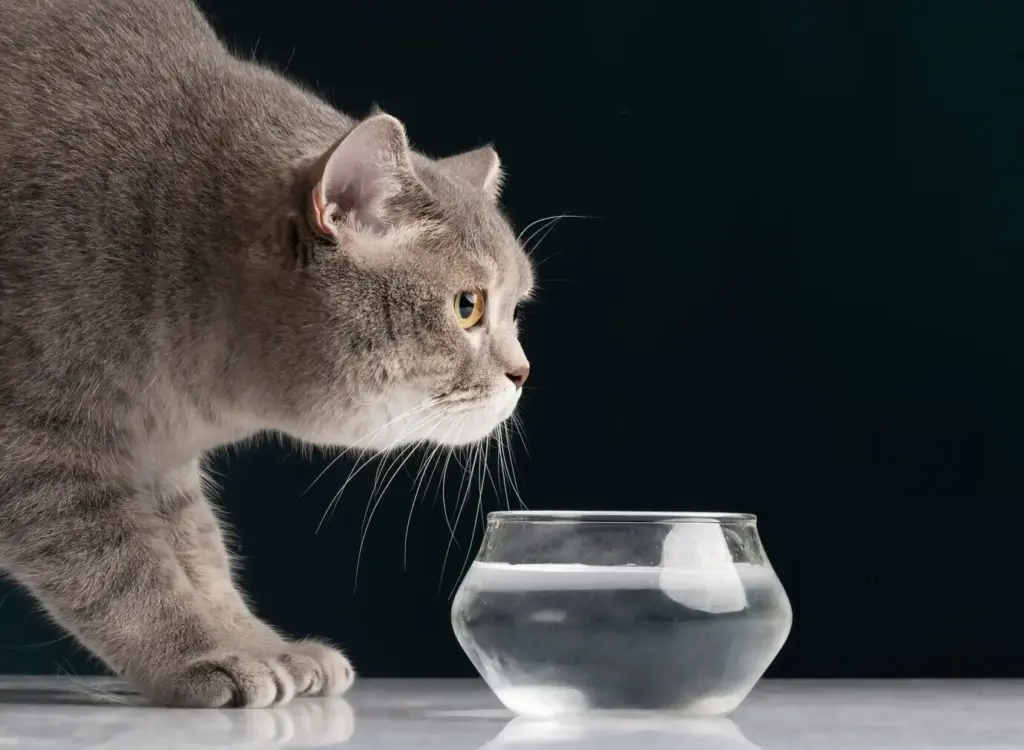
Switch between two sets of bowls so one can fully dry while the other works. Stainless steel resists odor better than plastic, and shallow profiles reduce chin acne in some cats. Rinse immediately after oily foods to stop film buildup, then wash with hot water and a gentle, unscented detergent. Wipe nearby walls and baseboards twice weekly; food mist travels farther than you think. Finish with a food-safe sanitizer spray and a dry microfiber cloth, because lingering moisture invites subtle, sour notes.

Taming the Trash and Compost Halo

A surprising percentage of kitchen odors circle the bin. Fit a tight lid, line with compostable bags, and add a tablespoon of baking soda before heavier loads. Rinse cans with warm water and enzyme cleaner monthly, scrubbing seams where residue hides. Keep pet-safe distance from compost pails, securing lids to outsmart curious noses. If fish cans dominate, freeze them in a small container before collection day. Good airflow, consistent washing, and simple deodorizing steps stop the scent aura that attracts opportunistic snacking.

Accident-Proof Feeding Mats and Wall Guards

Choose a mat wide enough for natural stance and excited tail swishes, with a raised edge to contain tidal spills. Silicone wipes clean easily and stays flat as pets shift. Mount a clear, removable splash guard behind bowls if sloppy drinking streaks the wall. For persistent odors, lightly dust the mat with baking soda overnight, then wash thoroughly. Replace cracked or scratched plastics that harbor smells. Keep mealtime calm and predictable, because frantic energy often equals mess, and mess always equals odor.

Living Rooms and Upholstery: Fur, Fabric, and Freshness

Soft furnishings love to hold scent. Control starts with weekly HEPA vacuuming in deliberate passes, then fabric-safe enzyme spot treatments and sunlight when possible. Rotate cushions, launder throws on hot cycles suited to fabric, and limit fragrance coverups that can irritate sensitive noses. A lint brush beside the sofa encourages fast resets before guests. Pet blankets act like sacrificial layers, protecting sofas while washing cleanly. With consistent routines, fur management shifts from overwhelming to automatic, and air stays bright rather than faintly musky.

Bedrooms and Pet Bedding: Rest Without Residue

{{SECTION_SUBTITLE}}

Mattress and Pillow Defense

Barrier covers block dander and liquid incidents from reaching foam, where odors persist. Choose breathable, waterproof protectors that can survive frequent washes without crinkly noise. Vacuum the mattress surface monthly using an upholstery tool, focusing on edges and tufting. Lightly apply a fabric-safe enzyme cleaner for accidents, then dry thoroughly with a fan. Rotate pillows and wash protectors regularly. Teach a cue for paws-off during sheet changes, then reward a bed placed nearby, satisfying companionship while keeping sleep surfaces crisp and clean.

Laundry Cycles That Neutralize Proteins

Odor control in bedding is chemistry. Pre-soak pet blankets with an enzyme solution to break down proteins, then wash hot if the fabric allows. Add an oxygen booster rather than heavy fragrance, and avoid softeners that trap scents in waxy films. Extra rinse cycles remove residue that can sour later. Dry completely to discourage microbial growth. Keep two sets of covers to maintain momentum, and track wash days on a small card so routines stick. Clean fibers smell like nothing—which is perfect for sleep.

Bathrooms, Litter, and Laundry Nooks: Ventilate and Sanitize

{{SECTION_SUBTITLE}}

Litter Layout and Airflow That Actually Helps

Place boxes away from food zones and washing machines, somewhere private yet accessible. A mat with textured ridges catches granules, while a nearby covered bin with baking soda traps scoops between trips outside. Vent fans should run at least fifteen minutes after visits to reduce ammonia hints. Wash boxes monthly with unscented soap, then a mild enzyme rinse, drying completely to prevent tacky odors. If your cat resists, test one change at a time—location, litter depth, or box style—so confidence, and cleanliness, both improve.

Enzyme Rituals for Tile, Grout, and Surprise Puddles

Protein-based accidents require enzymes that digest the source instead of perfume it. Blot first, apply generously, and let dwell according to label—contact time unlocks results. For grout, use a soft brush to guide solution into pores, then wipe with microfiber. Rinse lightly and dry with airflow so moisture does not seed musty corners. Keep a caddy pre-stocked for zero-delay responses. A consistent ritual teaches pets that cleaned areas are boring and reduces mark-revisit behavior, bringing real relief to high-traffic bathroom floors.

Floors, Rugs, and Stairs: Stain Fights by Material

Different surfaces demand tailored steps. Carpets hold odors in padding, while sealed wood, tile, and vinyl resist but still trap edges of smells. Respond quickly with blotting, enzyme treatment, and proper drying. For set stains, consider hot-water extraction with a pet-safe solution and careful drying to prevent wicking. Use runners on stairs to capture fur and muffle dashes. Finish with regular HEPA vacuuming and microfiber mopping. Matching method to material keeps colors true, fibers springy, and the whole home lighter on the nose.

Kuxinapezarepekukufa
Privacy Overview

This website uses cookies so that we can provide you with the best user experience possible. Cookie information is stored in your browser and performs functions such as recognising you when you return to our website and helping our team to understand which sections of the website you find most interesting and useful.